Entry #178
February 7, 2026 — 2:30 AM
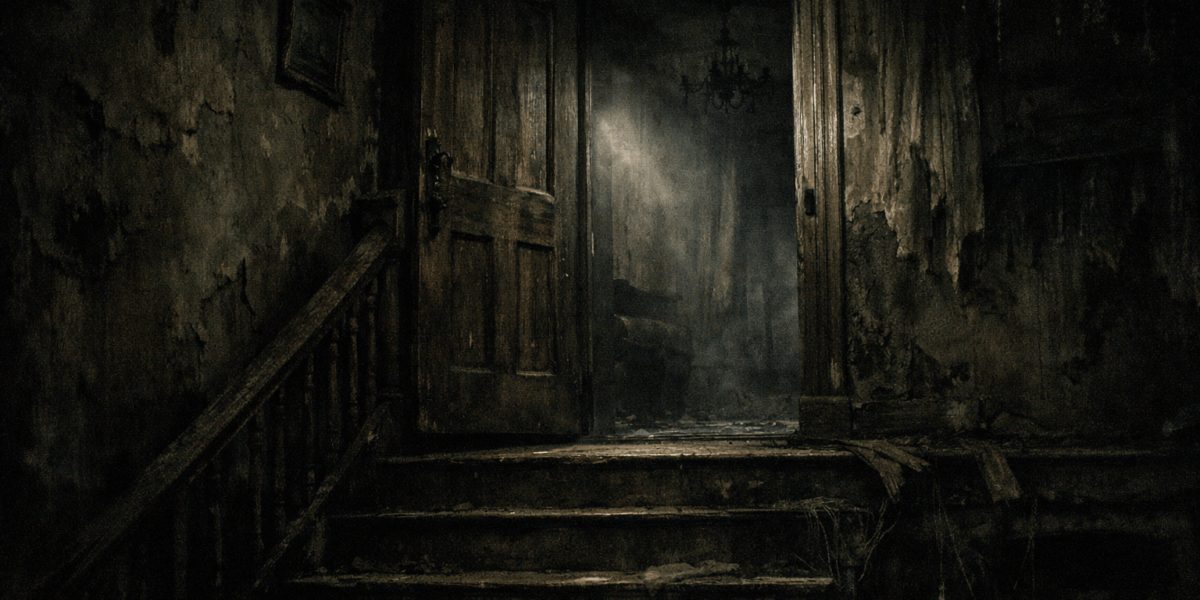
The chalk is still faint along the floor where I laid out the line. Tonight I followed it back to the narrow oak saddle between the front parlor and what used to be the center hall, before walls were moved and someone decided rooms should be smaller and brighter. The saddle is worn to a shallow dish where a thousand shoes shaved the grain. I put the headlamp low and studied the joinery, the nail pattern, the way the boards on either side tuck under it. Old work. Tight work. A little give at the southern edge if I pressed with my thumb.
When I leaned down to sight along the gap, the air changed—but not here. The kitchen, twenty feet away, cooled enough that the glass I left by the sink sweat along one side. The refrigerator relay clicked off mid-cycle. From upstairs, a short drag of sound—like a wooden hangar sliding once along a closet rod—then nothing. I straightened up, and the resting noise of the house resumed its steady tick and soft metal creak. I tried it again. Bend close to the saddle: the guest room register snapped as if a damper shifted; the bathroom fan gave a half-turn by itself and lost power; the hall thermostat dropped two degrees inside a minute without the furnace answering. Step back: quiet returned to itself. Not dramatic. Just everywhere at once, except where I was.
I repeated this three times to rule out coincidence, then once more after turning off the headlamp and using a small flashlight in case heat from the lamp was driving something. Same result. Approach concentrated here produced response elsewhere. You can read pattern into anything at two in the morning, but this felt more like a circuit closing than my nerves.
I worked the quarter-round on the parlor side with a thin pry bar, slow, so I wouldn’t split it. Two square-cut nails, both stubborn; a slice of plaster dust came down smelling faintly of wet paper. Under the molding, a narrow seam where someone had once run a blade. I slipped a putty knife along, lifted a tongue of oak, and in the shadow under the saddle my light picked up straightened fibers—the kind you get from impatient knife work. I eased more light in. There was a word there. The grain hid it until I wetted my thumb and wiped once across the cut. BLACKWOOD. All caps, shallow, but deliberate.
When I said the name out loud, softly, only to test the letters in my mouth, something thin rattled the mirror upstairs—the one I left half-covered and turned toward the wall after the other night’s experiment. The sound was clean and local, metal on glass. I stayed where I was. Ankles cold. The smell that came up from the gap was cellar-cold and a little sour, like earth that never dries.
I took a photo and set the molding aside. At the table I opened the county records site and the historical society’s clumsy index. Property tax rolls list my parcel, but the scans before 1900 are partial and unreadable when you zoom. The surname turns up pages of nothing useful, mostly trees and shipping ads in other counties. The probate and birth registries for this county return no Blackwoods at all. The packet from closing has a fuzzy deed copy; the oldest legible names on it look like Samuel and Eleanor, but the scan drops out where you’d hope for dates. I’ll go to the clerk in person when they open. Tonight the network is no help.
This reads like resistance. Not anger, and not random. A pressure spreading through the house when I press where the grain runs oldest. If the center is here—or behind this—it is not unprotected. The house defended what mattered to it long before I understood why.
— Thomas Hale